
Why Does Branding Matter For A Nonprofit?
When I met with a handful of friends in 2019 to talk about a shared dream of a Queer Resource Center in our community, I had absolutely no idea what building a nonprofit from the ground up (with no budget) would look like. Add in the 2020 global shutdown, and we were in completely new territory. What followed was a five year crash course in branding and marketing.
Because nonprofits are (at their heart) passion projects for their founders, most of them aren’t started by people with backgrounds in business management and/or marketing. They are started by people who see a need in their community and decide to dedicate time, money and energy to meet that need. I firmly believe that this is a nonprofit’s biggest strength - it's driven by a mission and vision based on core values.
The downside comes when your passion turns into an organization that needs to appeal to funders and community members - and you have absolutely no experience with building a brand. This is where I found myself as our dream started becoming a reality, and this may be where you find yourself right now.
So let’s start with the basics:
What *is* a Brand?
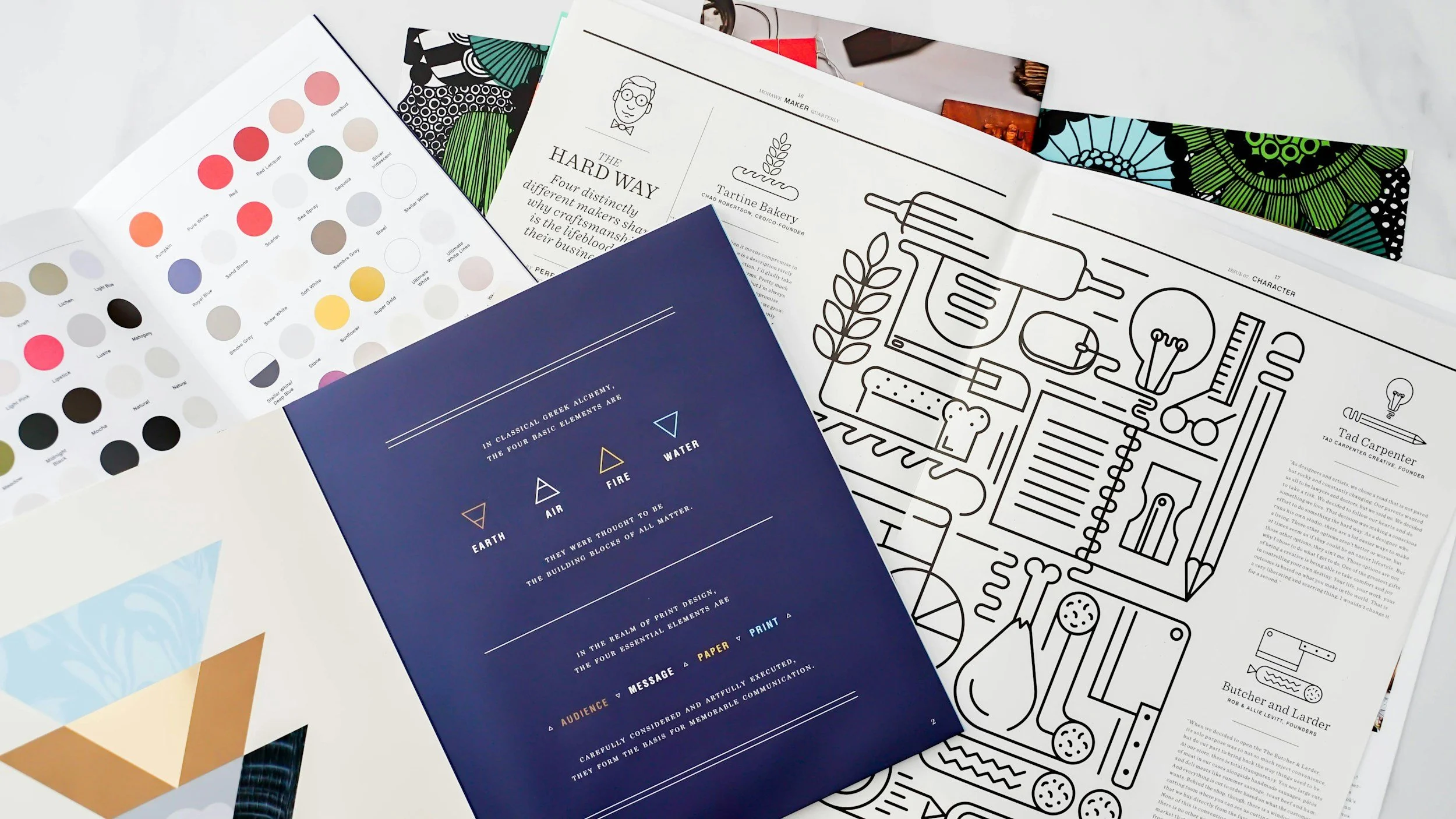
When people hear “brand” they usually think of a logo or a slogan, but a brand is way more than that. Branding is a way to communicate identity, values, and mission through visual and non-visual elements. This can include a company name, slogan, logo, color palette, and font styles as well as an overall brand voice and personality.
Here are 3 things I learned about branding for nonprofits:
1. Nonprofits are companies too.
When it comes to nonprofits, it's easy to think that your mission will do your marketing for you. Unfortunately, that isn’t the case.
It’s a bummer, but nonprofits do have to operate within the marketing system of capitalism just like any other company. That means your organization will need to do market research, see what’s working, and create a marketing and branding strategy.
The good news is that your mission has probably already created your target audience! By knowing who you want to serve, you know who you’re trying to advertise to.
2. Consistency is key.
If your logo is unique and reflects your values, people really will recognize and remember your organization.
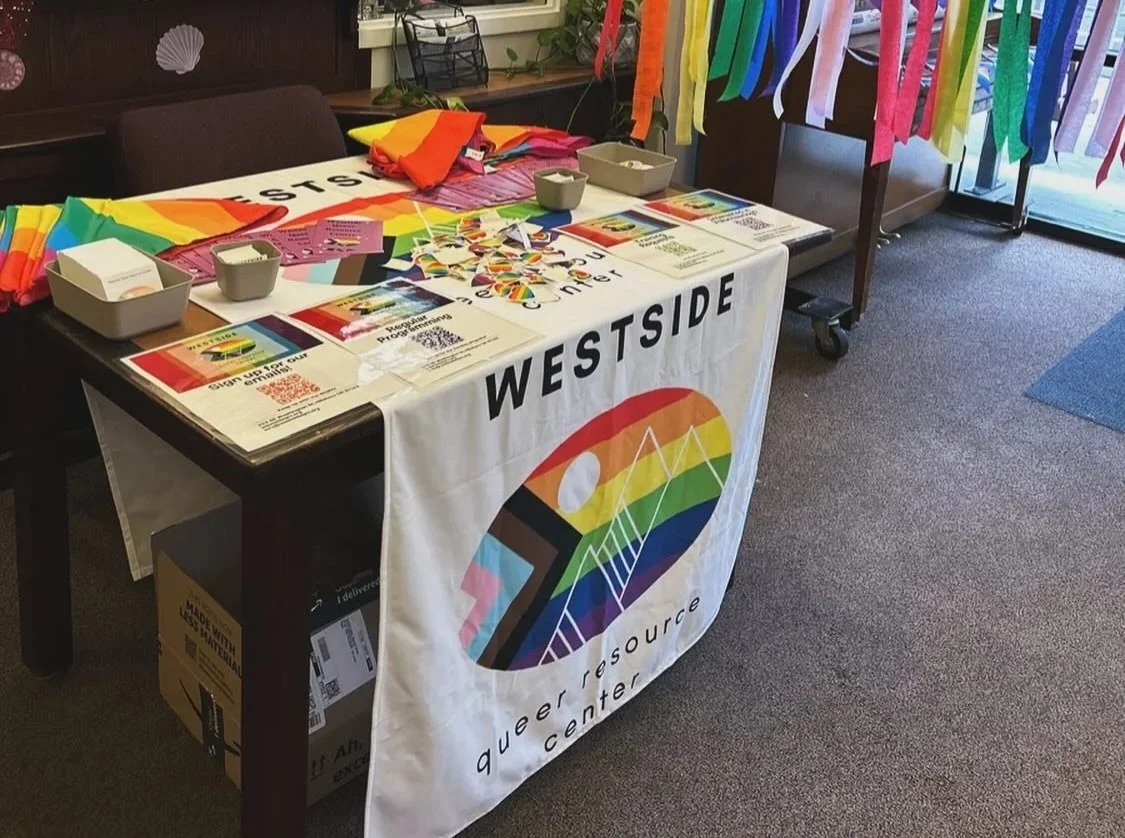
In the first few years of growing our nonprofit, we went through 2 or 3 logo changes, meaning we had nothing consistent to provide to the community. So every time we tabled at an event, it was like the community was meeting us for the first time.
Once we landed on a logo and visual identity, we quickly became established in the community as a reliable provider of resources. We were getting recognized - not only by people we wanted to serve, but by funders we wanted to work with!
This visual identity goes beyond logos too - your flyers should look like your website which should look like your instagram posts. Consistency makes you memorable.

3. Effective branding leads to effective fundraising.
There are over 1.9 million registered nonprofits in the US. If your organization’s brand is too generic, it could get lost in the ocean of charitable works.
If done well, a nonprofit’s brand can make it stand out, convey its professional reputation, and humanize its cause. This draws in potential donors, and creates a level of trust within the community that can help with other fundraising efforts like grant applications and capital campaigns.
Not sure where to start? That’s where I come in.
How can I help build your brand?
Use your mission to cultivate your brand identity.
Develop a brand identity - allowing for a consistent look and feel.
Create a branding strategy to ensure that you can effectively roll out and sustain the branding identity throughout the organization - from digital to physical collateral.
What else can I create with your branding identity?
Event Branding: Make sure your gala, yearly fundraiser, and capital campaign launches are memorable and profitable.
Website Design: Build a website that communicates your mission and message in a coherent and accessible way.
Publication/Print Design: Your annual reports, informational, and promotional materials should be consistent with your digital presence.
